
The Full Seven

The same seven steps on every job. No shortcuts.

Most carpet cleaners are in and out in thirty minutes. We take over 90 minutes. People assume that means we’re slow. It means we do all seven of these, in this order, every time. We call it the Full Seven, and here is exactly where your time goes.

7
steps, every job
90+
minutes on site
0
shortcuts

Before we start

Nothing gets wet yet

  1. 1
    Kneeling to part the carpet pile and check the fibre before anything is cleaned

    Pre-Inspection

    Before anything gets wet, we walk the job with you.

    Fibre type, stain type, how much soil is actually down there. A wool rug and a synthetic carpet want completely different treatment, and getting that wrong is how carpet gets wrecked rather than cleaned. It's also where you get the honest verdict, what's coming out, what probably isn't, and what we'd leave alone. You hear that before we start, not after.
  2. 2

    Dry Vacuum

    A full dry vacuum, every job, before a drop of water goes down.

    Most of what's in a carpet is dry grit, sand, hair, dust. Put water on that first and you haven't cleaned it, you've made mud, and mud travels down into the pile instead of coming back out. It's the least interesting step on this page and it decides how good everything after it can be.

The clean

Where the dirt actually leaves

  1. 3

    Pre-Spray

    A pre-treatment goes down across the whole area, then we leave it alone.

    Five to fifteen minutes of dwell, depending on how bad it is and we don't let it dry out on the fibre, which is its own problem. The dwell is the work. It's breaking the grip between the soil and the fibre so there's something loose for the extraction to take. Spray it and immediately suck it up and you've wasted the chemistry and your money.

  2. 4
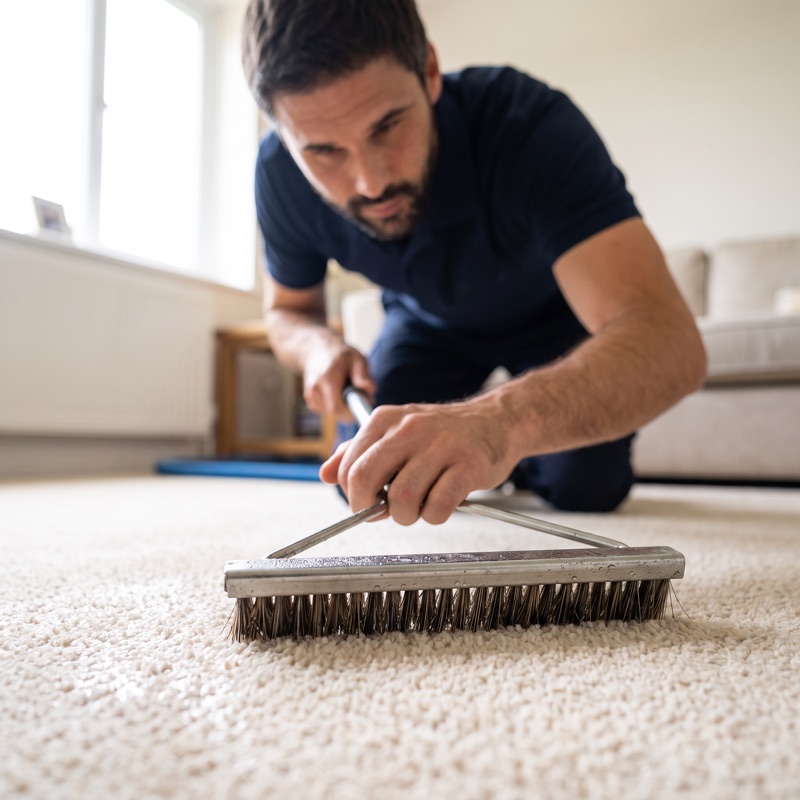
    A grooming brush working pre-spray down into the base of the carpet pile

    Agitation

    The pre-spray gets worked through the pile with a grooming tool, right down to the base.

    Chemistry loosens the soil. Agitation is what physically breaks it free and brings it up to where the wand can reach. Skip this and you clean the top third of the carpet and leave the rest exactly where it was, which will still look fine... for about a fortnight.

  3. 5
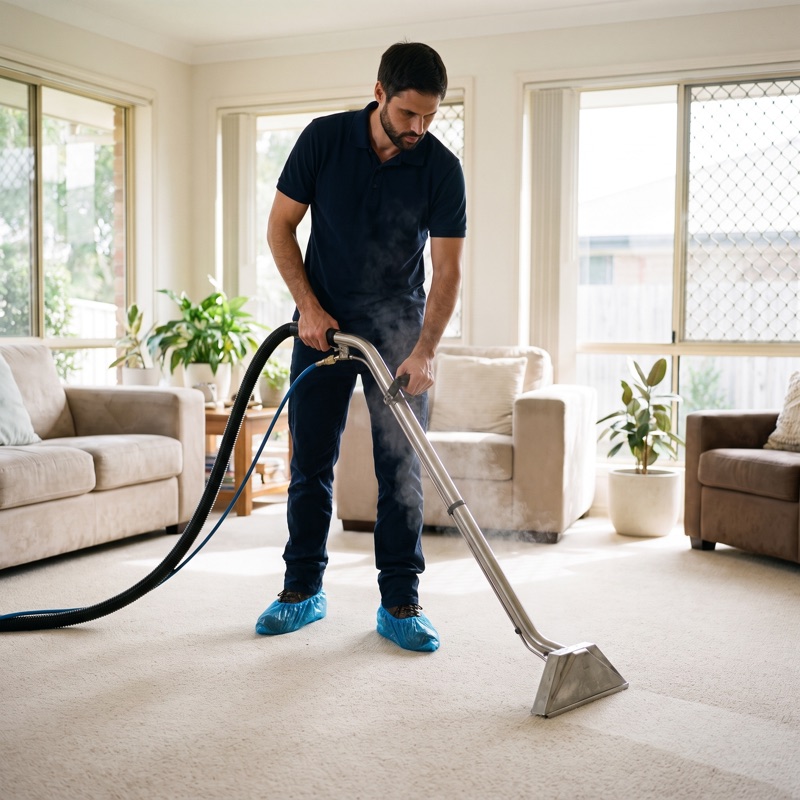
    A cleaning wand drawing a slow pass across carpet, steam rising from the head

    Hot Water Extraction

    The main event. Hot water goes in and comes straight back out, carrying everything the last two steps loosened.

    Slow, overlapping passes. A wand moved too fast leaves both soil and water behind,  that's how carpet ends up technically clean and still damp two days later. This is the step where the water in the jar goes brown, and we'll show you it, because it's the only honest proof that any of this worked.

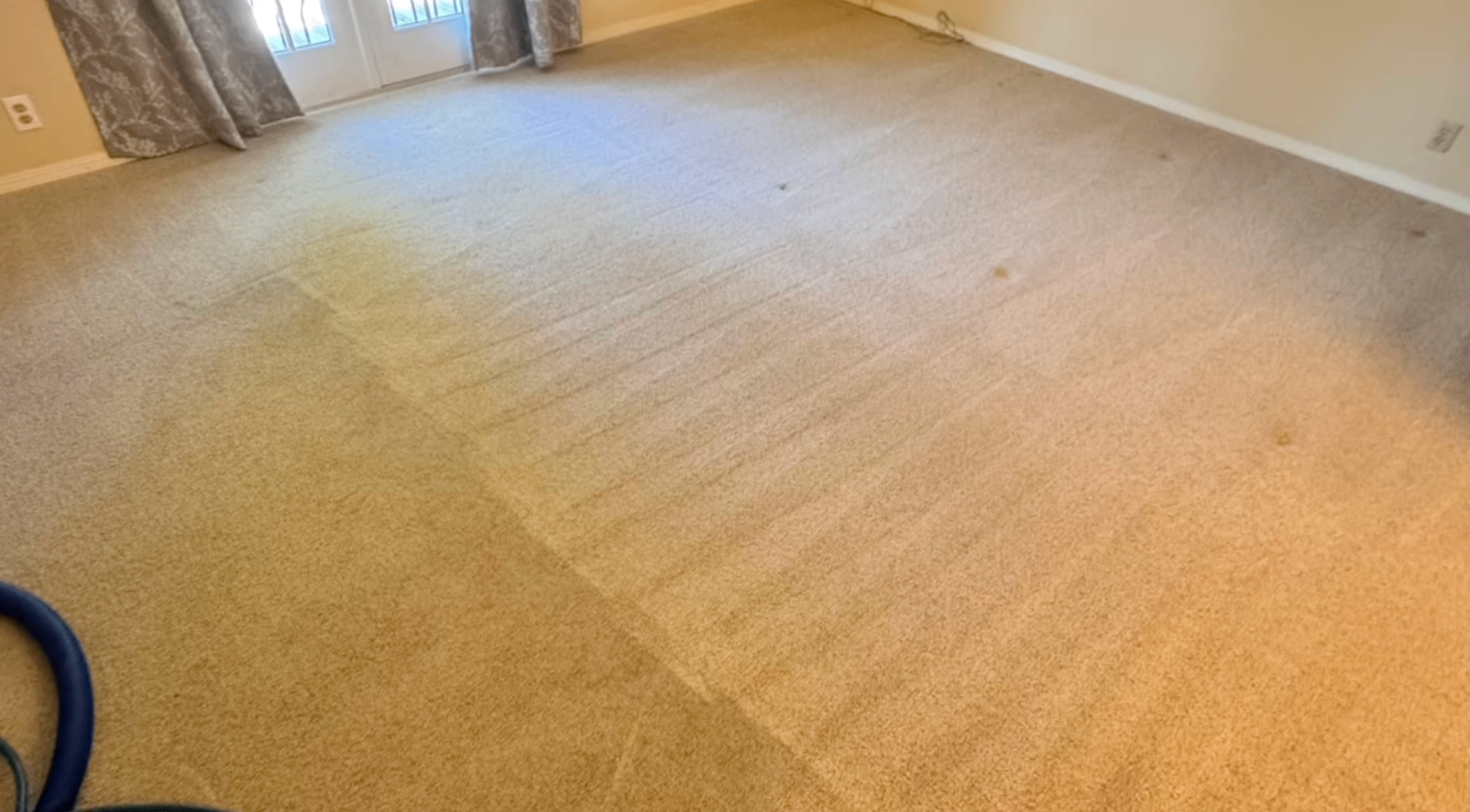
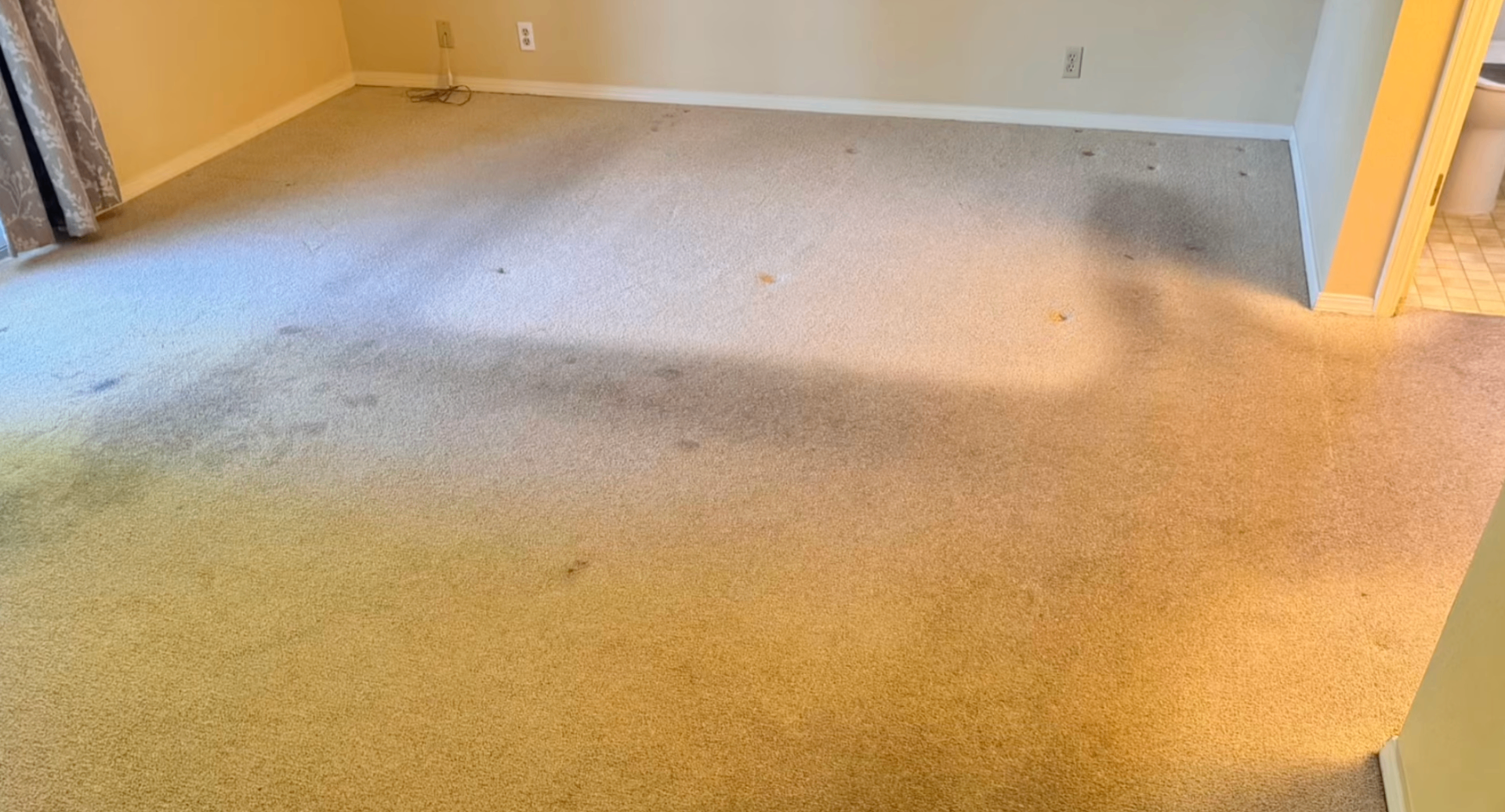
That’s the first five steps. This is the kind of difference they make.
The same carpet after cleaning
After
Soiled carpet before cleaningBefore

Drag to compare. You'll get before/after photos of your own job sent to your phone after every clean.

The finish

The part most people skip

  1. 6

    Rinse & Neutralise

    A neutralising rinse goes through to take out whatever the pre-spray left behind.

    Residue is why some carpets come up crispy, and it's why a badly cleaned carpet re-soils faster than one that was never cleaned at all, leftover detergent stays tacky, and tacky grabs dirt. The rinse brings the fibre back to neutral so that doesn't happen to yours.

  2. 7
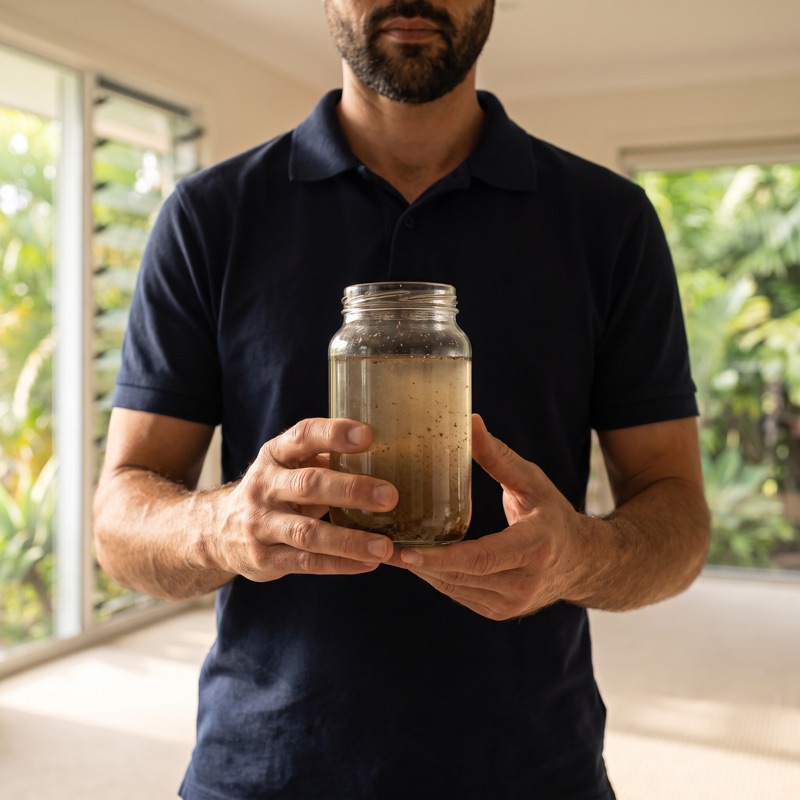
    A glass jar of the dirty water pulled back out of a carpet

    Deodorise & Final Inspect

    A deodoriser goes down, then we walk the whole job with you before anything gets packed away.

    You see every area. You see the water that came out. Anything that didn't lift gets pointed out by us rather than discovered by you next week. Touch-dry in a few hours, fully dry inside 24. Before and after photos come through with your invoice and you pay after that, never before.

Why the order can’t be shuffled

Every step here only works because the one before it happened. Water before vacuuming makes mud. Extraction before dwell time pulls up chemistry instead of dirt. Extraction before agitation only reaches what’s already loose. And skipping the rinse leaves the residue that makes the whole thing re-soil faster than it should.

That’s the difference between clean-looking and actually clean and it’s the entire reason a job takes us the extra hour.

See what we clean